


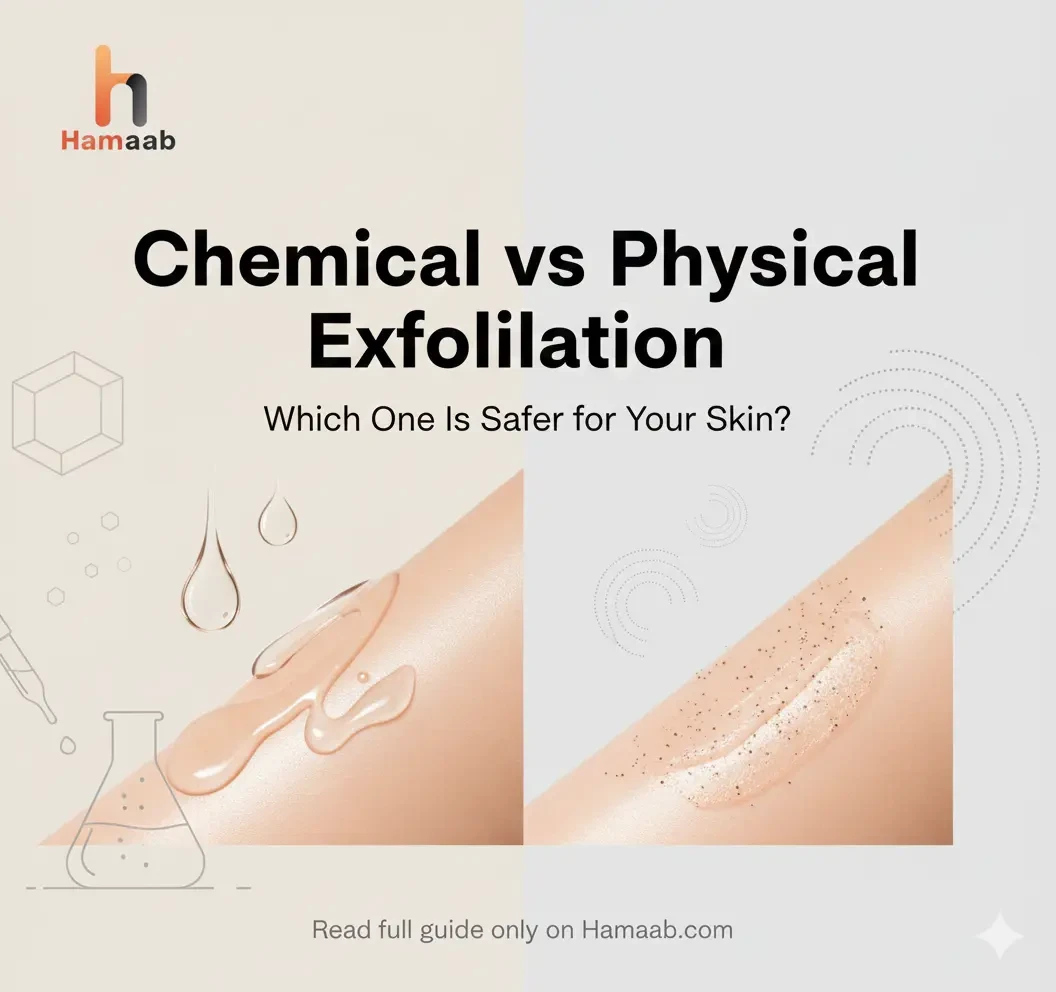
Chemical Exfoliation vs Physical Exfoliation – Which Is Safer for Your Skin?
Chemical Exfoliation vs Physical Exfoliation – Which Is Safer for Your Skin?
Exfoliation is one of the most important steps in skincare, but choosing the wrong type can damage your skin instead of iproving it. The two main types are chemical exfoliation and physical exfoliation, and understanding the difference helps you xfoliate safely and effectively.
In short, chemical exfoliation is generally safer and more effective for most skin types, especially for long-term skin health. Physical exfoliation can work too, but only when used very gently and less frequently
I personally switched from physical scrubs to chemical exfoliation, and the improvement in my skin was noticeable within weeks. My texture became smoother, brekouts reduced, and my skin looked clearer without irritation
What Is Exfoliation & Why It Matters
Exfoliation removes dead skin cells from the surface of your skin. Without exfoliation, dead cells build up and cause:
-
Dull skin
-
Clogged pores
-
Acne and blackheads
-
Rough texture
-
Uneven skin tone
Regular exfoliation helps your skincare products absorb better and keeps your skin fresh and healthy.
What Is Physical Exfoliation?
Physical exfoliation uses manual friction to remove dead skin cells.
Common Physical Exfoliants
-
Face scrubs with beads
-
Walnut o apricot scrubs
-
Cleansing brushes
-
Exfoliating gloves
How It Works
You physically rub the product or tool on your skin to scruaway dead cells.
Pros of Physical Exfoliation
-
Instantsmooth feeling
-
Easy to use
-
Widely available
Cons of Physical Exfoliation
-
Can cause micro-tears in skin
-
Harsh on sensitive or acne-prone skin
-
Can worsen redness and inflammation
-
Overuse leads to damaged skin barrier
My Early Experience with Physical Scrubs
When I used physical scrubs regularly, my skin felt smooth at first, ut over time I noticed redness, sensitivity, and more breakouts. That’s when I realized scrubbing too hard was damaging my skin barrier.
What Is Chemical Exfoliation?
Chemical exfoliation uses acids or enzymes to dissolve dead skin cells without scrubbing.
Common Chemical Exfoliants
-
AHA (Glycolic, Lactic Acid) – for surface exfoliation
-
BHA (Salicylic Acid) – for deep pore cleansing
-
PHA – gentle option for sensitive skin
How It Works
These acids break the bonds between dead skin cells so they shed naturally.
Pros of Chemical Exfoliation
-
Gentle and controlled exfoliation
-
Deep pore cleansing
-
Reduces acne, blackheads, and texture
-
Improves skin tone and glow
-
Less risk of physical damage
Cons of Chemical Exfoliation
-
Requires consistency
-
Overuse can cause irritation
-
Needs sunscreen protection
Chemical vs Physical Exfoliation – Key Differences
| Feature | Chemical Exfoliation | Physical Exfoliation |
|---|---|---|
| Method | Acids dissolve dead skin | Scrubbing removes dead skin |
| Skin Safety | Safer for most skin types | Risky if overused |
| Acne & Blackheads | Very effective | Can worsen acne |
| Sensitive Skin | Better option | Often irritating |
| Long-term Results | Improves texture & tone | Limited benefits |
Which Exfoliation Is Safer? (Short Answe
✔ Chemical exfoliation is safer for most people, especially those with:
-
Acne-prone skin
-
Sensitive skin
-
Blackheds and clogged pores
-
Uneven tone or dull skin
Physical exfoliation should only be used occasionally and very gently.
How to Use Chemical Exfoliation Safely
-
Start 2–3 times per week
-
Use low concentration acids
-
Apply at night
-
Always moisturize after
-
Use sunscreen daily
-
Never mix with harsh actives on the same day
Mid-Routine Personal Review
After switching to chemical exfoliation, my skin stopped reacting badly. Blackheads reduced, texture improved, and my face looked smoother without redness. That’s when I realized gentle exfoliation works better than aggressive scrubbing.
How Often Should You Exfoliate?
-
Chemical exfoliation: 2–3 times per week
-
Physical exfoliation: Once a week (max)
-
Sensitive skin: Once weekly (very gentle acids)
Over-exfoliation can cause breakouts, dryness, and irritation.
Who Should Avoid Physical Exfoliation?
-
Active acne sufferers
-
Sensitive or inflamed skin
-
Rosacea-prone skin
-
Post-treatment skin (peels, lasers)
For these skin types, chemical exfoliation is the safer choice.
Best Product Types for Exfoliation
(No brand names, only product type
-
Salicylic acid cleansers
-
AHA/BHA exfoliating toners
-
Chemical exfoliating serums
-
Gentle enzyme exfoliants
-
Barrier-repair moisturizers
You can explore suitable skincare options on:
Homepage: https://www.hamaab.com/
My Final Results & Recommendatio
Once I fully switched to chemical exfoliation, my skin became clearer, smoother, and more balanced. Breakouts reduced, pores looked cleaner, and my skin barrier felt stronger. Physical scrubs are not bad, but chemical exfoliaton gave me safer and long-lasting results.
FAQs
1. Is chemical exfoliation better than physical?
Yes, for most skin types it’s safer and more effective.
2. Can I use both together?
Not on the same day. Choose one method at a time.
3. Is chemical exfoliation safe for beginners?
Yes, start with low strength and use 2–3 times weekly.
4. Can exfoliation cause breakouts?
Over-exfoliation can, but proper use improves acne.
5. Do I need sunscreen after exfoliation?
Yes, sunscreen is essential after any exfoliation.
Chemical exfoliation is the safer and smarter choice for long-term skin health. It gently removes dead skin, unclogs pores, and improves texture without damaging your skin barrier. Physical exfoliation can work occasionally, but for consistent, visible, and healthy results, chemical exfoliation is the better option.
Recent Posts

10 Hidden Online Shopping Secrets in 2026 That Can Save You Money (Most People Don’t Know #7)

Online Shopping vs Physical Stores: Which is Better in Pakistan 2026? (Complete Guide)

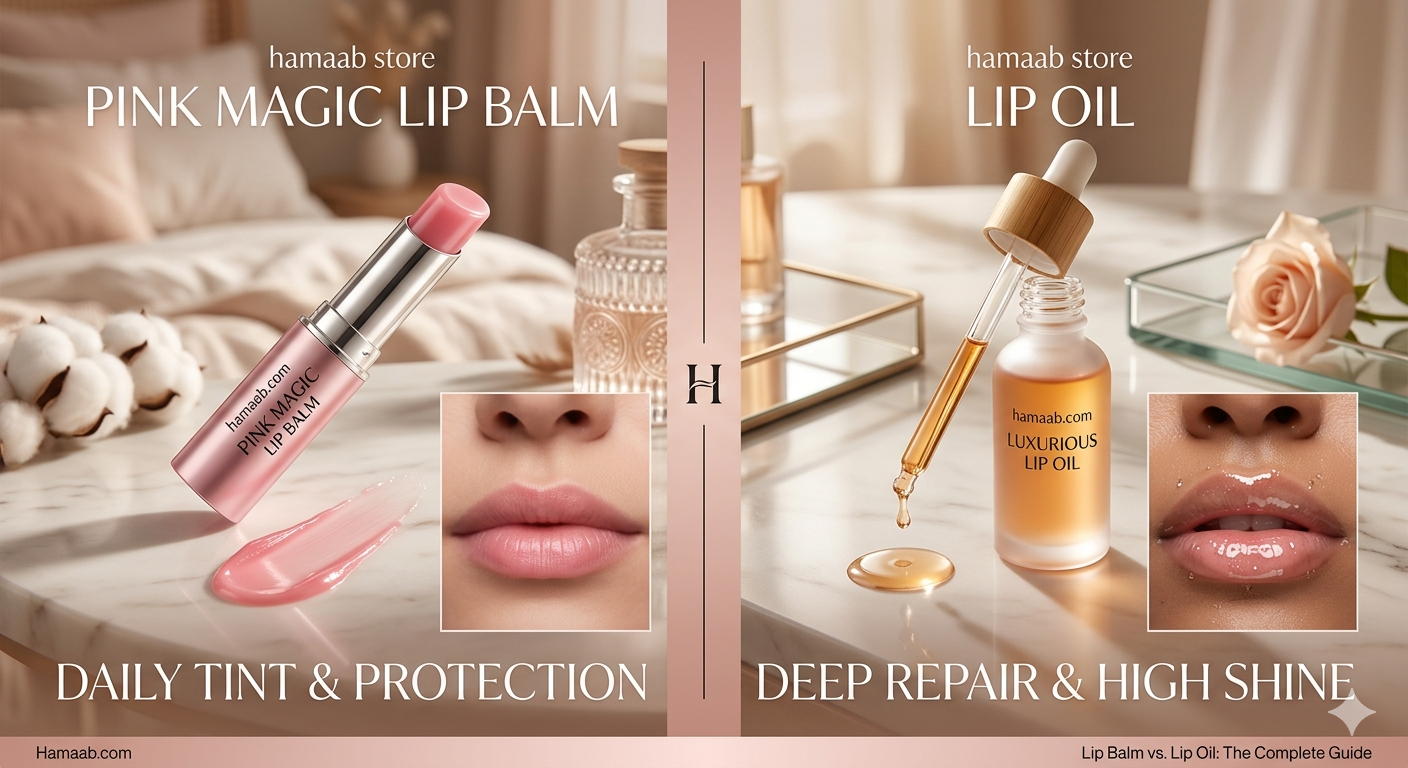
Lip Balm vs. Lip Oil: Which One is the Secret to Perfect, Healthy Lips?
Face Oil vs. Face Serum: The Ultimate Guide to Choosing the Right One for Your Skin
Mini Portable Smart Projectors vs 4K Smart TV: Which One Should You Choose?

Welcome to Hamaab - Your Trusted Online Store for Gadgets, Cosmetics, Jewelry, and More in Pakistan
At Hamaab, we offer a wide variety of high-quality products at affordable prices. Whether you're looking for the latest gadgets, premium cosmetics, stylish jewelry, or fashionable clothing, we have something for everyone. We carefully curate our product catalog to ensure that every item meets your highest standards of quality and value.