


Exosome Serum: The New Frontier in Skin Regeneration & Anti-Aging 2026
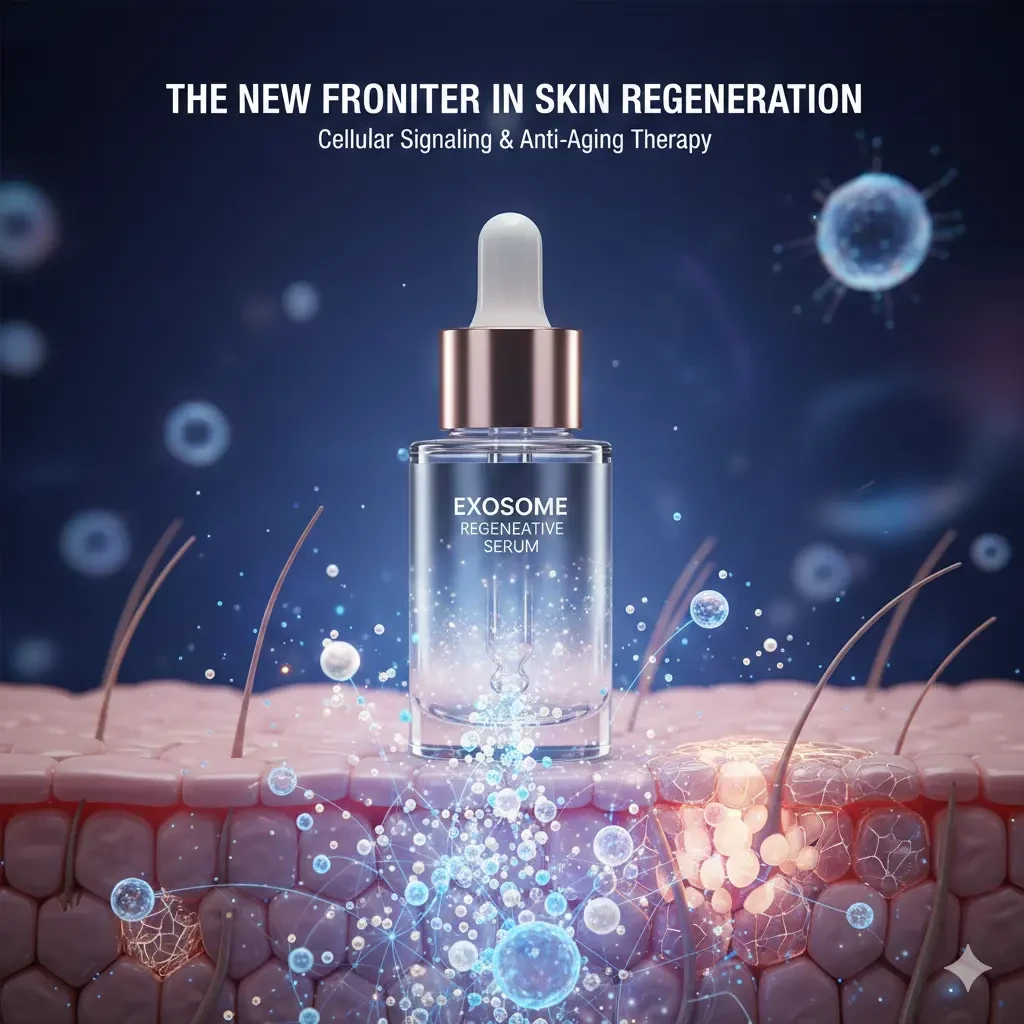
Exosome Serum: The New Frontier in Skin Regeneration & Anti-Aging
Exosome therapy is quickly becoming one of the most talked-about advancments in modern aesthetics and skincare. Moving beyond traditional ingredients like retnol or vitamin C, exosomes represent a shift towards regenerative medicinehelping the skin repair itself on a cellular level.
Understanding what exosomes actually are, rather than just following the hype, is key to deciding if this advanced invstment is right for your skin goals
In this blog, you’ll learn the science behind exosomes, their incredible benefits for aging and damaged ski, and the most effective ways to incorporate them into your routine
My Personal Skin Journey
Like many skincare enthusiasts, I felt like I had hit a plateau. My usual routine of acids and retinoids was maintaining my skin, but it wasn't improvig the deeper issuesa lack of bounce, persistent dullness, and slower recovery marks from occasional breakouts. My skin felt "tired." I needed something that worked not just on the urface, but on a deeper, cellular level to really kickstart rejuvenation.
What Are Exosomes? The Science of Cell Signaling
To understand why exosome serums are revolutionary, you have to stop thinking of them as standard "ingredients" and start thinking of them as "messengers.
Exosomes are nanosized vesicles (tiny bubbles) naturally secreted by almost all cells in the ody, including stem cells. They are not living cells themselves, but they contain crucial cargo: lipids, proteins, growth factors, and genetic information (RNA).
Think of exosomes s envelopes containing instrctions. When a healthy cell sends an exosome to an older or damaged skin cell, the damaged cell opens the envelope and reads the instructions, which might say: "Produce more collagen," "Reduce inflammation," or "Speed up repair."
As we age, our cells send fewer of these messages, leading to slower repair and visible signs of aging. Exosome serums replenish these vital signals
Top Benefits of Exosome Serum
It’s not just one benefit; exosomes address multiple concerns simultaneously because they improve overall cell communication.
1. Supercharged Collagen & Elastin Production
Exosomes signal fibroblasts (the skin's building cells) to wake up and start producing more collagen and elastin, leading to firmer, plumper skin over time.
2. Rapid Repair & Wound Healing
This is their most famous use. They significantly speed up recovery from skin damage, making them incredibly popular after in-office treatments like microneedling or lasers.
3. Reduced Inflammation & Redness
Exosomes carry anti-inflammatory signals, calming reactive skin, rosacea-prone areas, and chronic redness.
4. Improved Skin Texture & Tone
By enhancing cellular turnover and health, they tackle dullness, uneven pigment, and rough texture, revealing brighter skin.
My Mid-Journey
I started using an exosome serum specifically after a home-microneeding session (as penetration is key). The difference wasn't overnight magic, but it was profound wihin two weeks. The usual post-treatment redness faded in two days instead of five. More importantly, my skin didn't just look shinier; it felt denser and more resilient when I touched it. The "tired" look was gone.
How to Use Exosome Serum Effectively Expert Tips
Exosome serums are advanced and often expensive products. Using them correctly is crucial to not waste their potential.
1. The "Clean Canvas" Rule is Non-Negotiable
Exosomes are tiny and need a clear path to enter the skin. Always apply them immediately after cleansing and toning, on bare skin.
2. The Order of Application
Cleanser
Toner (optional
Exosome Serum (Let it absorb completely)
MoisturizerSunscreen (AM)
3. The Best Time: Post-Procedure Synergy
Exosomes work best when the skin barrier is slightly compromised to allow deeper penetration. They are highly recommended immediately after
Microneedling (professional or careful at-home use
Laser treatments
Chemical peels
4. Consistency Over Quantity
You don't need a lot of product, but you need to use it consistently. Cellular change takes time
5. Do Not Mix Immediately with Harsh Active
Avoid mixing exosomes directly in your palm with strong acids (AHA/BHA) or high-strength prescription retinoids, as this might destabilize the delicate vesicles. Layer them carefully once absorbed.
My Final Review
After consistent use over two months, I view exosomes not as a replacement for my daily SPF or moisturizer, but as the ultimate "booster." It’s an investment product. My fine lines around the eyes appear softer because the skin itself is healthier underneath, not just temporarily hydrated. It's less about covering flaws and more about enabling the skin to fix itself.
Who Should Use Exosome Serum?
| Skin Concern | Key Benefit |
| Aging Skin (40+) | Signals older cells to behave younger; boosts collagen. |
| Post-Procedure Skin | Drastically speeds up healing and reduces downtime. |
| Dull / Tired Skin | Improves cellular communication for restored radiance. |
| Sensitive / Inflamed Skin | Delivers powerful anti-inflammatory signals to calm redness. |
| Acne Scars / Texture | Accelerates tissue repair for smoother skin over time. |
FAQs About Exosomes
1. Are exosomes the same as stem cells?
No. Stem cells are the "factories." Exosomes are the "messages" those factories send out. Exosome serums contain the messengers, not live cells.
2. Where do the exosomes in serums come from?
They can be derived from various sources, including human adipose (fat) tissue stem cells, plant cells, or bioengineered in labs. Always check the brand's sourcing for ethical and safety standards.
3. How fast do exosome serums work?
You may see calming effects within days, but real structural changes (like firmness from new collagen) typically take 6 to 12 weeks of consistent use.
4. Can I use retinol with exosomes?
Yes, they actually complement each other well. Retinol increases cell turnover, and exosomes help repair the skin during that process. It's often best to use exosomes in the AM and retinol in the PM, or alternate nights if sensitive.
5. Is it worth the high price tag?
If you are looking for basic hydration, stick to hyaluronic acid. But if your skin needs deep repair, anti-aging signaling, or recovery from procedures, exosomes offer technology that standard ingredients cannot match.
Conclusion
Exosome serums represent a significant leap forward in skincare technology. By utilizing the body's own communication methods, we can signal our skin to repair and rejuvenate in ways previously thought impossible with topical products alone. If you are ready to move beyond basic maintenance and into true skin regeneration, exosomes are the next step.
Recent Posts

10 Hidden Online Shopping Secrets in 2026 That Can Save You Money (Most People Don’t Know #7)

Online Shopping vs Physical Stores: Which is Better in Pakistan 2026? (Complete Guide)


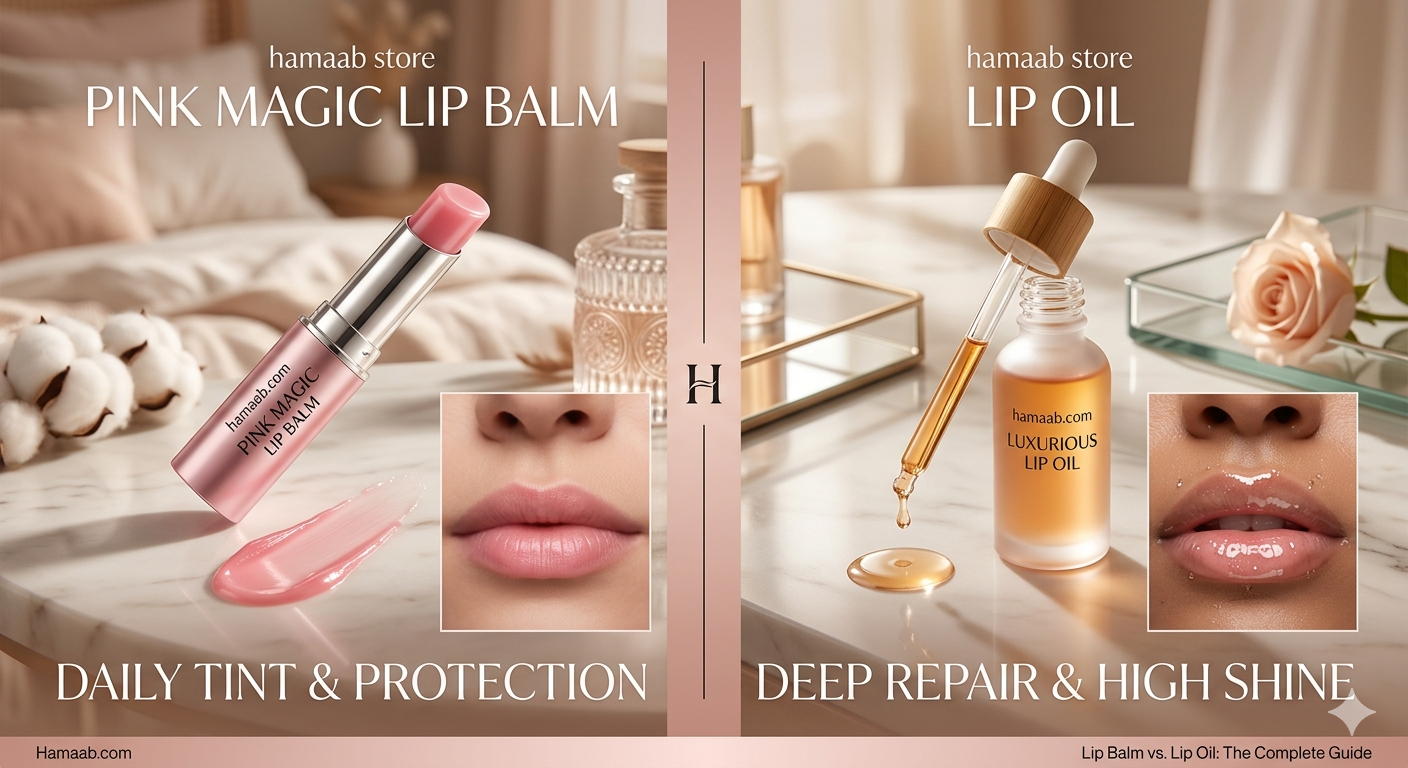
Lip Balm vs. Lip Oil: Which One is the Secret to Perfect, Healthy Lips?
Face Oil vs. Face Serum: The Ultimate Guide to Choosing the Right One for Your Skin

Mini Portable Smart Projectors vs 4K Smart TV: Which One Should You Choose?

Welcome to Hamaab - Your Trusted Online Store for Gadgets, Cosmetics, Jewelry, and More in Pakistan
At Hamaab, we offer a wide variety of high-quality products at affordable prices. Whether you're looking for the latest gadgets, premium cosmetics, stylish jewelry, or fashionable clothing, we have something for everyone. We carefully curate our product catalog to ensure that every item meets your highest standards of quality and value.