


Oily Skin Skincare Routine – What to Use & What to Avoid for Clear, Balanced Skin
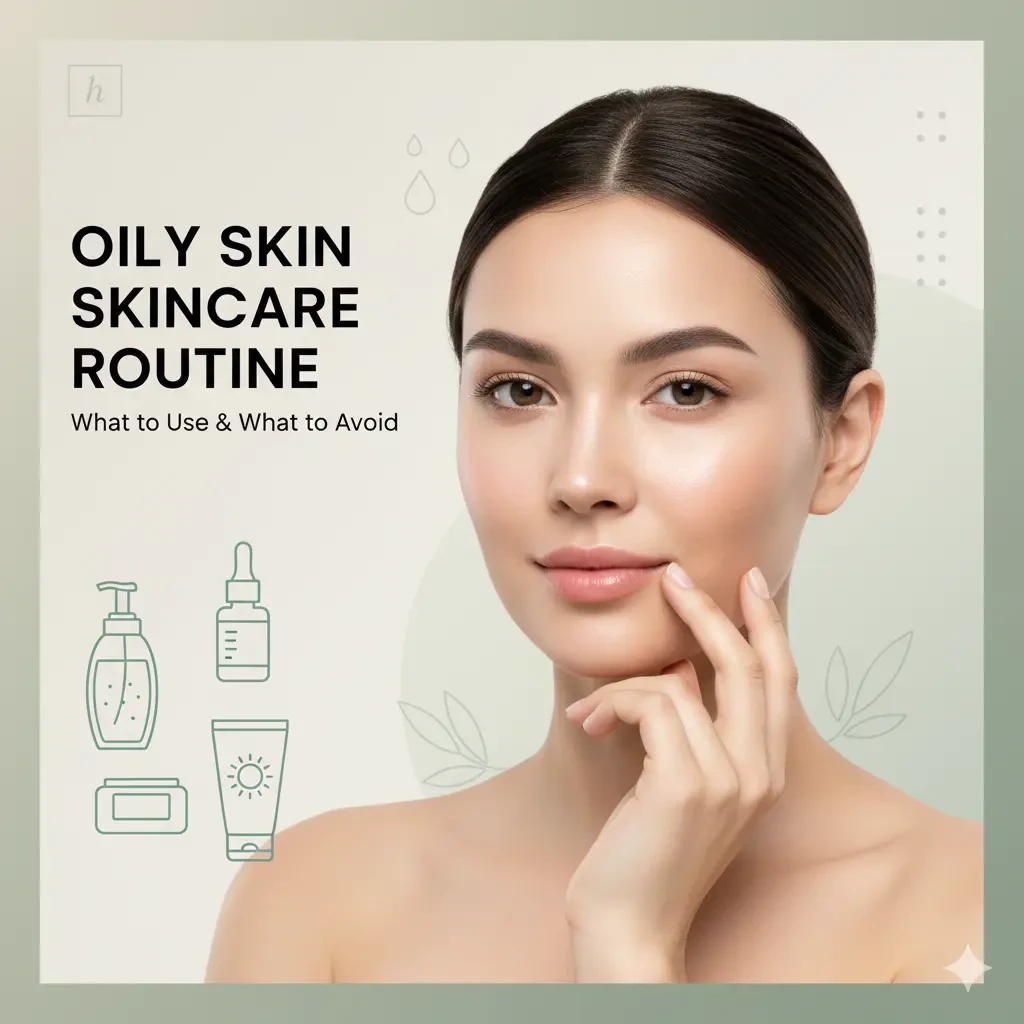
Oily Skin Skincare Routine – What to Use & What to Avoid
Oily skin is one of the most common skin types, yet it is often misunderstood. Many people believe oily sin doesn’t need moisturizer or frequent care, but the truth is quite the opposite. Without the right routine, oily skin can lead to clogged pores, acne, blackheads, and constant shine.
A proper oily skin skincare routine heps control excess oil, keep pores clean, and maintain a healthy skin barrier without over-drying the skin
My Personal Experience with Oily Skin
I’ve had oily skin for years, especially on my T-zone. By midday, my face would look greasy, and breakouts were very common. I tried harsh face washes and skipped moisurizers, thinking it would reduce oil — but it only made my skin worse. That’s when I decided to follow a proper oily skin rutine instead of guessing.
What Causes Oily Skin?
Oily skin happens when sebaceous glands produce excess sebum. Common causes include:
-
Hormonal changes
-
Genetics
-
Overwshing the face
-
Using harsh or drying products
-
Skipping moisturizer
-
Hot and humid weather
When skin becomes too dry, it produces evn more oil to compensate, making the problem wor
Step-by-Step Oily Skin Skincare Routine
1. Cleanse Gently (Twice Dailye
Cleansing is the most important step for oily skin.
What to use:
-
Gel-based or foaming cleanser
-
Salicylic acid or niacinamide-based cleanser
Benefits:
-
Removes excess oil
-
Cleans clogged pores
-
Prevents acne and blackheads
Avoid washing your face more than twice a day, as over-cleansing increases oil production
2. Use a Lightweight Toner
Toners help balance oil and tighten the appearance of pores.
Best ingedients for oily skin
-
Niacinamide
-
Witch hazel
-
Green tea
-
Salicylic acid
Avoid alcohol-heavy toners as they dry out the skin and trigger more oil.
3. Apply a Face Serum
Serums treat oily skin concerns without making skin greasy.
Recommended serums:
-
Niacinamide serum oil control & pores)
-
Salicylic acid serum (acne & blackheads
-
Hyaluronic acid (hydration without oil)
My Mid-Routine Experience
Once I added a lightweight serum and stopped skipping moisturizer, my skin started improving. Within 2–3 weeks, oil production reduced, breakouts became less frequent, and my face sayed fresh for longer during the day. This was the biggest turning point for my oily skin
4. Moisturize Daily es, Even Oily Skin
Skipping moisturizer is one of the biggest mistakes people with oily skin make.
Choose:
-
Gel-based or water-based moisturizers
-
Non-comedogenic formulas
Benefits:
-
Balances oil production
-
Protects skin barrier
-
Prevents dehydration
When skin is hydrated, it produces less oil naturally.
5. Sunscreen Is a Must
Sun damage increases oiliness and acne.
Use:
-
Oil-free sunscreen
-
Gel or fluid texture
-
SPF 30–50
Apply every morning, even indoors.
Weekly Care for Oily Skin
Exfoliation (2 Times a Week
-
Use chemical exfoliants (AHA/BHA)
-
Avoid harsh physical scrubs
Benefits:
-
Removes dead skin
-
Prevents clogged pores
-
Smooths skin texture
Clay Masks (1–2 Times Weekly
Clay masks absorb excess oil and deep-clean pores.
Best types:
-
Bentonite clay
-
Kaolin clay
-
Charcoal masks
What to Avoid If You Have Oily Skin
Heavy creams and oils
Alcohol-based products
Overwashing the face
Harsh scrubs
Sleeping with makeup
Touching face frequently
Avoiding these habits can drastically reduce oil and breakouts.
Who Should Follow This Routine?
This routine is ideal for:
-
Oily skin Acne-prone skin
-
Enlarged pores
-
Frequent blackheads
-
Combination skin
My Final Experience & Results
After following this oily skin routine consistently, my skin feels balanced, cleaner, and much healthier. Excess shine is under control, breakots are rare, and my pores look clearer. Instead of fighting my oily skin I learned how to care for it properly — and that made all the difference.
FAQs
1. Can oily skin skip moisturizer?
No. Skipping moisturizer increases oil production.
2. How often should oily skin exfoliate>
2 times per week is ideal.
3. Does oily skin need sunscreen?
Yes, daily sunscreen is essential.
4. Can oily kin become dehydrated?
Yes, oily skin can still lack hydration.
5. How long does it take to see results?
Visible improvement usually appears in 2–4 week
Oily skin needs balance, not harsh treatment. With gente cleansing, lightweight hydration, proper exfoliatin, and sun protection, oily skin can look clear, fresh, and healthy. A consistent routine is the key to controlling oil and preventing breakouts long-term.
Recent Posts


Best Vitamin C Serum in Pakistan (2026) – Prices, Benefits & Buying Guide

Why Are Foreign Brands More Popular Than Local Brands in Developing Countries?

Best Cosmetics Products in Pakistan – Top Makeup & Skincare Picks (2026)

Vegan Makeup: Complete Guide to Cruelty-Free & Ethical Beauty in 2026

Best Cosmetics in Pakistan 2026 – Original Makeup & Skincare Brands Online

Ramadan Skincare & Makeup Guide 2026 – Best Long-Lasting Glow Products in Pakistan | Hamaab.com

Best Skin Care Products in Saudi Arabia (2026 Guide) – Top Rated & Available at Hamaab.com

Welcome to Hamaab - Your Trusted Online Store for Gadgets, Cosmetics, Jewelry, and More in Pakistan
At Hamaab, we offer a wide variety of high-quality products at affordable prices. Whether you're looking for the latest gadgets, premium cosmetics, stylish jewelry, or fashionable clothing, we have something for everyone. We carefully curate our product catalog to ensure that every item meets your highest standards of quality and value.