


Signs You Are Over Exfoliating Your Skin And How to Fix It
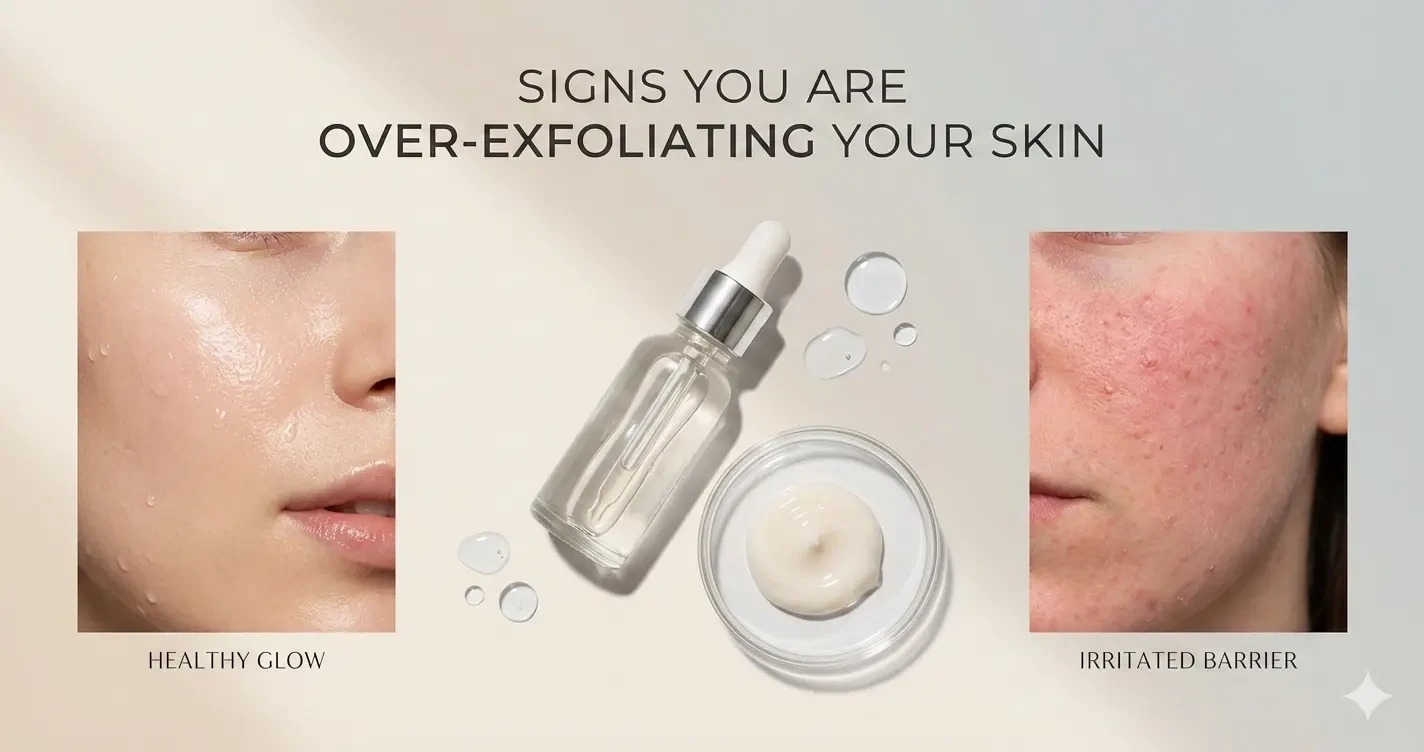
Signs You Are Over-Exfoliating Your Skin (And How to Fix It)
Exfoliation helps remove dead skin cells and improves texture, but too much exfoliation can seriously damage your skin. Many people exfoliate more thinking faster results milenge, but the opposite happens irritation, breakouts, and dullness start appearin
In short, over-exfoliation weakens your skin barrier, making your skin sensitive, inflamed, and prone to acne. Recognizing the signs early can save your skin from long-term damage.
I personally made this mistake early in my skincare journey. I thought exfoliating daily would give me glowing skin, but instead my skin became red, rough, and started breaking out more than before.
What Is Over-Exfoliation?
Over-exfoliation happens when you exfoliate too frequently, use strong exfoliants, or combine multiple active ingredients without giving your skin time to recover.
Your skin needs balance. Exfoliation removes dead cells, but our skin barrier also needs time to repair itself.
Top Signs You Are Over-Exfoliating Your Skin
1. Constant Redness and Irritation
If your skin looks red most of the time or feels inflamed even without poducts, it’s a clear warning sign. Healthy exfoliation sould improve skin tone, not make it angry.
2. Burning or Stinging Snsation
Feeling a slight tingle is normal, but burning, itching, or pain after applying skincare products means your skin barrier is damaged.
Even gentle products can sting when your skin is over-exfoliated.
3. Sudden Breakouts or Acne
Over-exfoliation strips natural oils, causing your skin to more oil, which leads to clogged pores and acne.
Many people mistake this for “purging,” but it’s actually irritation.
4. Dryness, Flaking, or Peeling
If your skin feels tight, flaky, or starts peeling uncontrollably, it means your skin is losing moisture faster than it can repair.
5. Shiny but Dehydrated Skin
Over-exfoliated skin can look overly shiny yet feel dry at the same time. This happens when the protective barrier is damaged.
6. Increased Sensitivity to Products
Products you used comfortably before suddenly start causing reactions. This is a strong indicator of over-exfoliation.
My Personal Experience with Over-Exfoliation
When I overused exfoliating scrubs and acids, my skin looked smooth initially, but within two weeks I noticed redness, burning, and random breakouts. My skin became sensitive even to water.
Once I stopped exfoliating competely for a while and focused on repairing my skin barrier, everything slowly improved. That’s when I realized less is more in skincare.
What Causes Over-Exoliation?
Exfoliating dailys
Using high-strength acids too often
Combining scrubs + chemical exfoliants
Using retinol and exfoliants together
Ignoring moisturizer and sunscreen
How to Fix Over-Exfoliated Skin
1. Stop Exfoliating Immediately
Give your skin a break for 2–3 weeks depending on damage.
2. Focus on Skin Barrier Repair
Use products with:
Ceramides
Niacinamide
Hyaluronic acid Panthenol
3. Use Gentle Cleansers Only
Avoid foaming or harsh cleansers. Choose mild, non-stripping formulas
4. Moisturize Generously
Hydration is key to repairing damaged skin.
5. Sunscreen Is Mandatory
Over-exfoliated skin is extremely sun-sensitive. Daily sunscreen prevents further damage.
How Often Should You Exfoliate Safely?
Chemical exfoliation: 1–2 times per eek
Physical exfoliation: Once a week (or avoid completely
Sensitive skin: Once every 10–14 days
Consistency matters more than frequency
Best Product Typs for Recovery
Barrier-repair moisturizers
Gentle hydrating cleansers
Niacnamide serums
Hyaluronic acid ser
Gel-based sunscree
You can explore suitable skincare options on
Homepage: https://www.hamaab.com/
FAQs
1. Can over-exfoliation cause acne?
Yes, it damages the skin barrier and increases oil production.
2. How long does skin take to heal?
Usually 2–4 weeks with proper care.
3. Should I exfoliate if my skin is peeling?
No, stop exfoliating immediately.
4. Is tingling normal?
Mild tingling is okay, burning is not.
5. Can I use retinol with exfoliation?
Not on the same day.
Exfoliation is helpful, but overexfoliation is one of the biggest skincare mistakes. Redness, breakout, burning, and dryness are clear signs your skin needs rest, not more actives.
Healthy skin comes from balance, patience, and consisency. Once I reduced exfoliation and focused on skin reair, my skin became calmer, clearer, and stronger.
Recent Posts

Best Vitamin C Serum in Pakistan (2026) – Prices, Benefits & Buying Guide

Why Are Foreign Brands More Popular Than Local Brands in Developing Countries?

Best Cosmetics Products in Pakistan – Top Makeup & Skincare Picks (2026)
Vegan Makeup: Complete Guide to Cruelty-Free & Ethical Beauty in 2026

Best Cosmetics in Pakistan 2026 – Original Makeup & Skincare Brands Online
Ramadan Skincare & Makeup Guide 2026 – Best Long-Lasting Glow Products in Pakistan | Hamaab.com

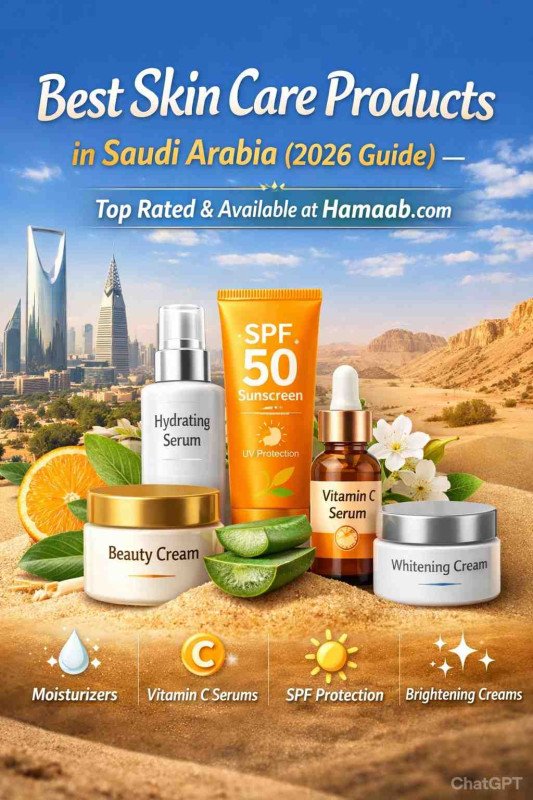
Best Skin Care Products in Saudi Arabia (2026 Guide) – Top Rated & Available at Hamaab.com

Welcome to Hamaab - Your Trusted Online Store for Gadgets, Cosmetics, Jewelry, and More in Pakistan
At Hamaab, we offer a wide variety of high-quality products at affordable prices. Whether you're looking for the latest gadgets, premium cosmetics, stylish jewelry, or fashionable clothing, we have something for everyone. We carefully curate our product catalog to ensure that every item meets your highest standards of quality and value.